
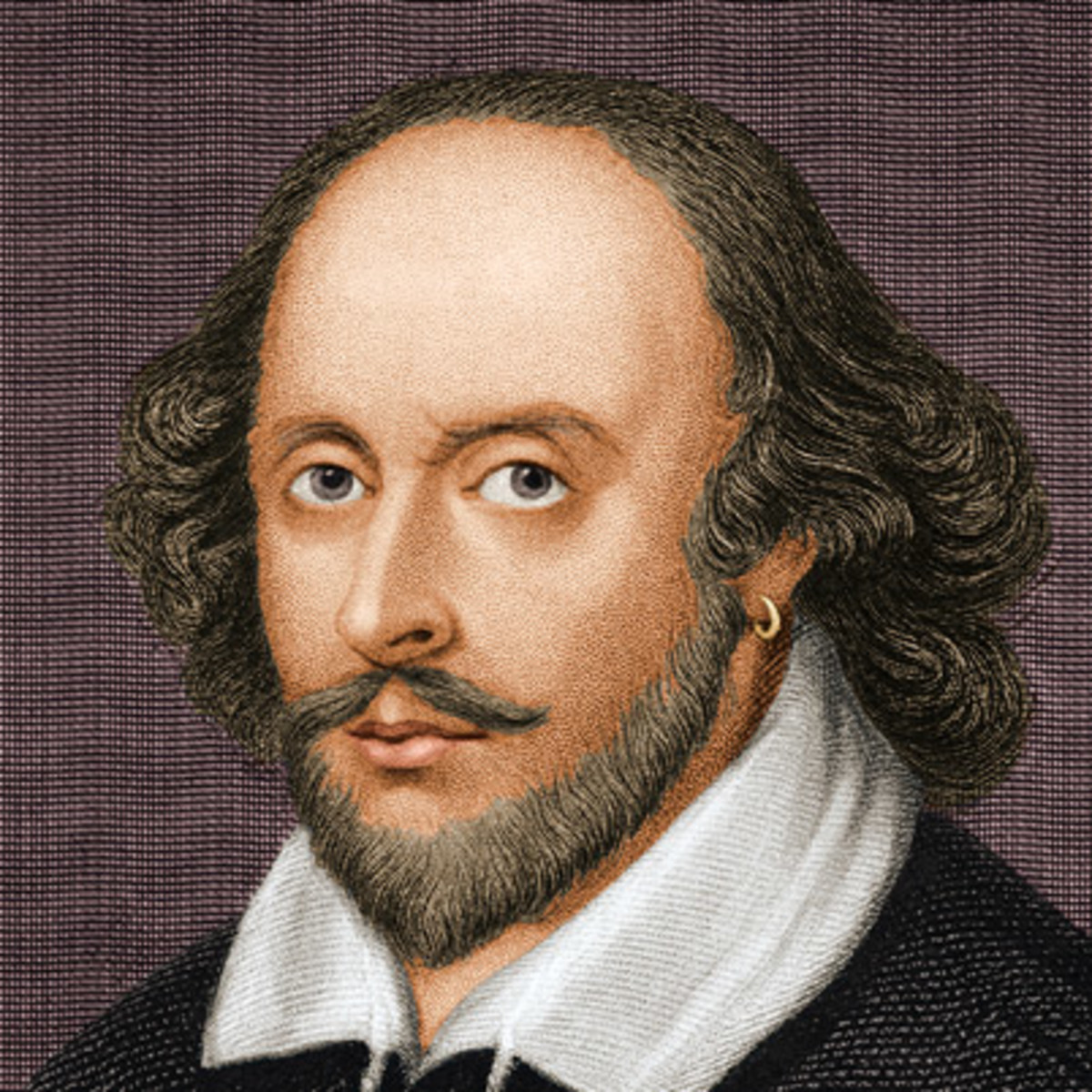
William Shakespeare is probably the most famous writer who has ever created on this earth – and certainly the most performed on the world's stages. He was born in England, but wrote and distributed his works in the English language. Among his most celebrated titles are: 'Romeo and Juliet', 'Hamlet', 'Macbeth', 'King Lear', and many others.
However, he is also known for inventing many new words in the English language. Or if we need to be precise: 1700!!! He did this by converting nouns into verbs, verbs into adjectives, combining words that had never been used in such a way before, adding suffixes and prefixes to already existing words, and even creating entirely new words from scratch.
We have selected 8 of the words Shakespeare invented.
Addiction
First used in 'Othello', Act II, Scene II
Addiction is when your body or mind develops a strong need for certain substances or chemicals, to the point where they begin to take over your life or you don't feel as though you can cope without them. For example, some people become addicted to cigarettes, alcohol, certain drugs, or even coffee.
Cold-Blooded
First used in 'King John', Act III, Scene I
Doing something 'cold-blooded' means you are not angry or upset while doing it. It is used to describe actions that seem more terrifying because the person is calm the whole time while performing them. For example, a cold-blooded killer is someone who plans to kill another person (and does so), rather than someone who kills another person during a spontaneous fight or argument.
Bedazzled
First used in 'The Taming of the Shrew', Act IV, Scene V
If you are bedazzled by someone or something, it means you are so amazed or impressed that you find it hard to see it clearly. Like looking into bright light or diamonds.
Belongings
First used in 'Measure for Measure', Act I, Scene I
Belongings are things that belong to you, as well as things that are yours. The verb 'belong' existed before Shakespeare, but he invented a new noun – belongings (personal possessions).
Eventful
First used in 'As You Like It', Act II, Scene VII
If you describe something as eventful in English, it means that many things are happening. Often people use the word as a gentler way to describe something that is very stressful or dramatic. For example:
– How was your sister's wedding?
– Eventful. My uncle got into a fight and grandma fell on the wedding cake.
Assassination
First used in 'Macbeth', Act I, Scene VII
'Assassination' is murder that is premeditated. Usually this is the murder of a politician or another public figure who is killed for political reasons. For example, the murder of JFK.
Scuffle
First used in 'Antony and Cleopatra', Act I, Scene I
Scuffle is a minor fight, from which no one is seriously hurt. Shakespeare didn't actually invent the word, because it already existed as a verb. He was simply the first to use it as a noun.
Uncomfortable
First used in 'Romeo and Juliet', Act IV, Scene V
This is an example of one of many words Shakespeare 'invented' by adding the prefix 'un' to a word that already existed. Uncomfortable is simply not comfortable. You could use it to describe something that is physically uncomfortable. For example: 'This bed is very uncomfortable'. Or you could describe a situation that makes you feel uneasy, such as: 'My father keeps trying to talk to me about things that make me feel uncomfortable'.
If you have felt inspired to study the English language because of Shakespeare or for whatever reason, the courses at Kabinata.com will take you to a whole new level of language proficiency.