
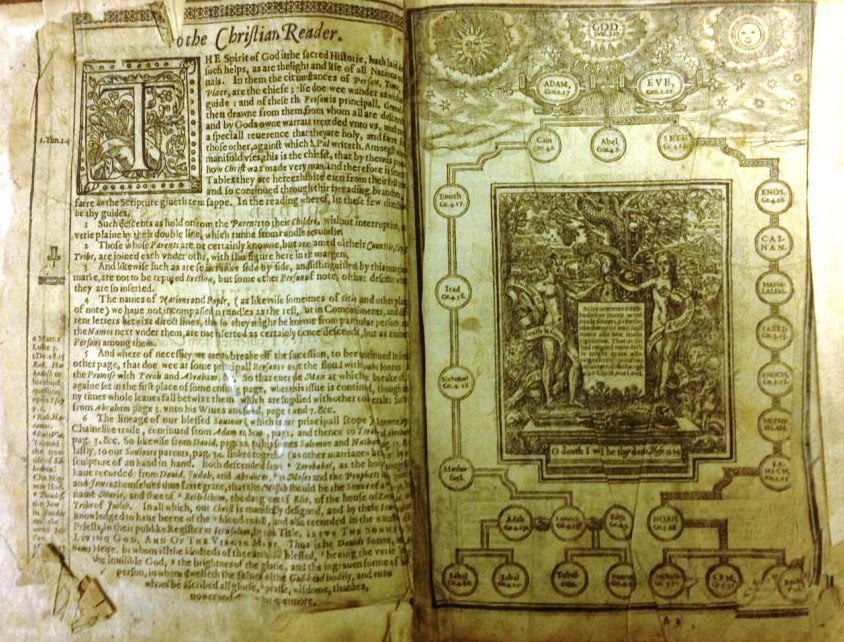
Middle English (500 – 1100)
In 1066, William the Conqueror, Duke of Normandy, conquered and settled on the British Isles with his nobles and court. The Normans spoke a provincial French dialect with Germanic influence, which mixed with English. This became the language of the King of England for more than 300 years. The lower classes continued to speak English, and the development of the two languages together was called Middle English.
Anglo-Norman French influenced the English language with many words and important changes. Words like castle, crown, prince, parliament, city, judge, court, appeal, verdict, army, soldier, peace, obedience, mansion, beauty, many, and literature were included in the English language during this period. Some English words are composed of French and Germanic words, such as gentleman.
Among the greatest impacts of Norman French during this period were certain grammatical changes. Old English written forms, such as 'hw', changed to 'wh', so words like hwaer and hwil became where and which. Latin words related to medicine, literature, law, and religion such as legal, private, history, library, tolerance, infinite, solar, and recipe were included in spoken language.
During this period, English became a third language in its own country, and for this reason, many grammatical complexities and endings disappeared. Noun genders and inflected adjectives disappeared, except for singular and plural numbers.
Two historical moments during this period were important for the renaissance of the English language. The first was the Hundred Years' War against France, which created strong resistance against the French language. The second moment was the Black Death, which killed a third of the English population, including a large portion of the clergy. After the plague, the growing importance of English-speaking members of the lower classes and the rejection of the French language made King Edward III in 1362 the first to address Parliament in English.
Early Modern English (1500 – 1800)
The period of Early Modern English begins with the 'Great Vowel Shift'. The Great Vowel Shift is a radical change in pronunciation in which vowel sounds became higher and longer, eventually causing English words to separate from their foreign duplicates.
Words from Latin and Greek, such as: genius, species, tedium, nausea, anatomy, meditate, biography, system, expensive, concept, invention, technique, temperature, capsule, area, complex and others were introduced into the English language. As well as some Latin adjectives, such as: marine, pedestrian, masculine, feminine, and paternal.
An important point in the development of modern English was the invention of the printing press. During this period there were five main dialects in England with major differences in grammar and pronunciation. The printing press played a crucial role in standardizing English and reducing differences between dialects.
There are several important facts during the same period, but the most important was the actions of one man who changed English forever. His name is William Shakespeare. The great writer took advantage of the flexibility of English at that time and changed grammatical rules. He created many new words. Shakespeare created nearly 2,000 neologisms, such as: critical, majestic, monumental, homicide, obscene, countless, premeditated, excellent, hint, lonely, pedant, accommodation, and others. These are words that are used to this day.
Late Modern English (1800 – present)
Late Modern English begins with industrialization and the scientific-technological revolution. The language had to develop to describe new things and inventions such as: oxygen, nuclear, protein, bacteria, caffeine, electron, train, electricity, camera, telegraph, and others. These words actually came from Latin and Greek.
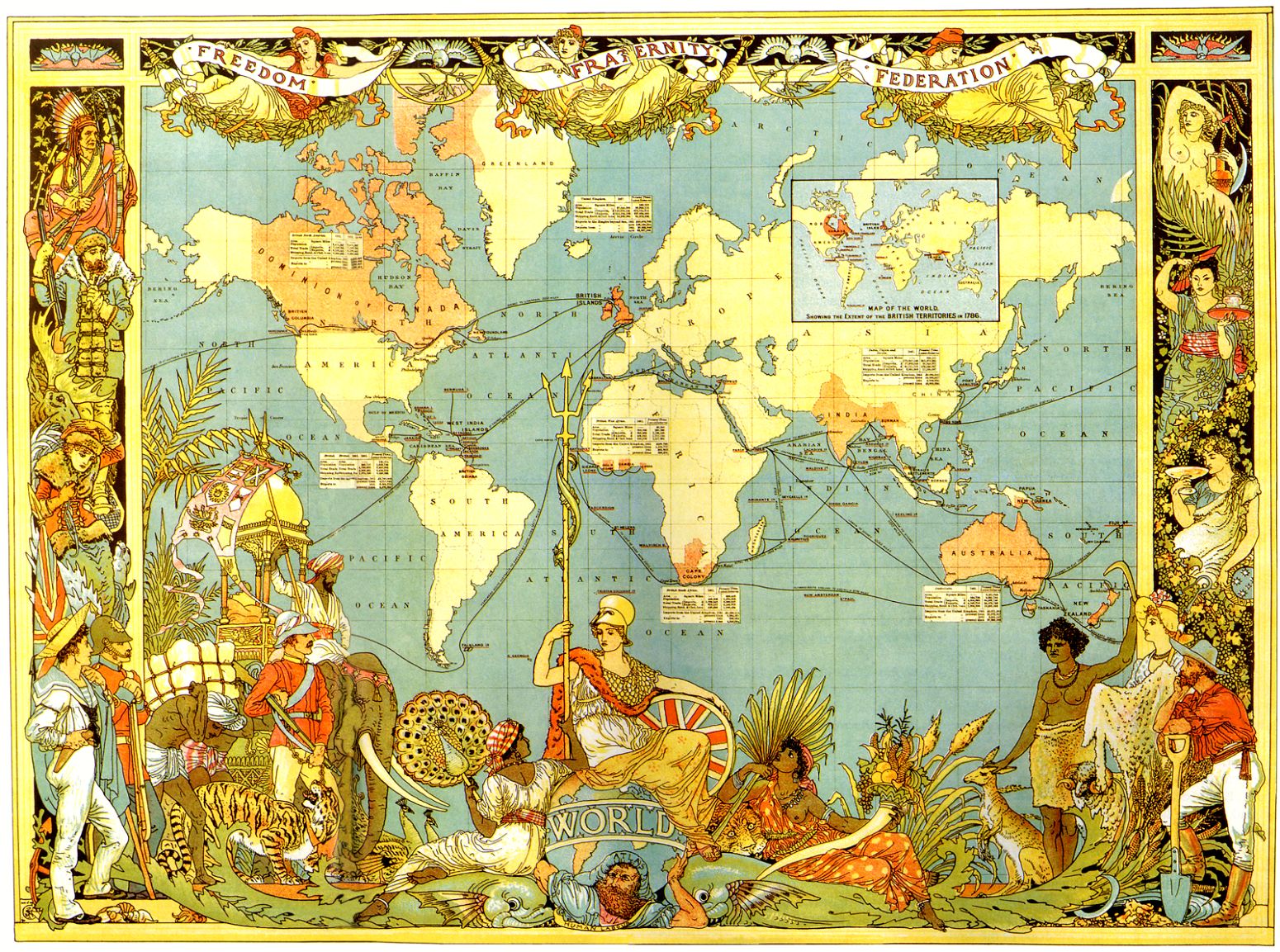
Another turning point during this period was the colonialism of the British Empire. At that time Britain ruled almost a quarter of the world, and English incorporated many new foreign words from other languages and from its colonies. Similar words are: boomerang and kangaroo from Australia; thug, jungle, candy, and shampoo from India, yoghurt from Bulgaria; carnival, design, piano, and fiasco from Italian and many others.
As you can see, the history of the English language is exciting. The most incredible thing is that English is still evolving and changing. Every year new words are created and become popular, such as selfie, meme, sharenting, uber, gosh, jomo, and others. Some of these words are used by every person on Earth, and for a language that was almost extinct, this influence over all others is quite an achievement. In fact, English is the most important language in the world at the moment. What a metamorphosis, isn't it?! The language of Shakespeare, his legacy is more alive than ever!
If this material has inspired you to enroll in an English language course, you can do so HERE!